


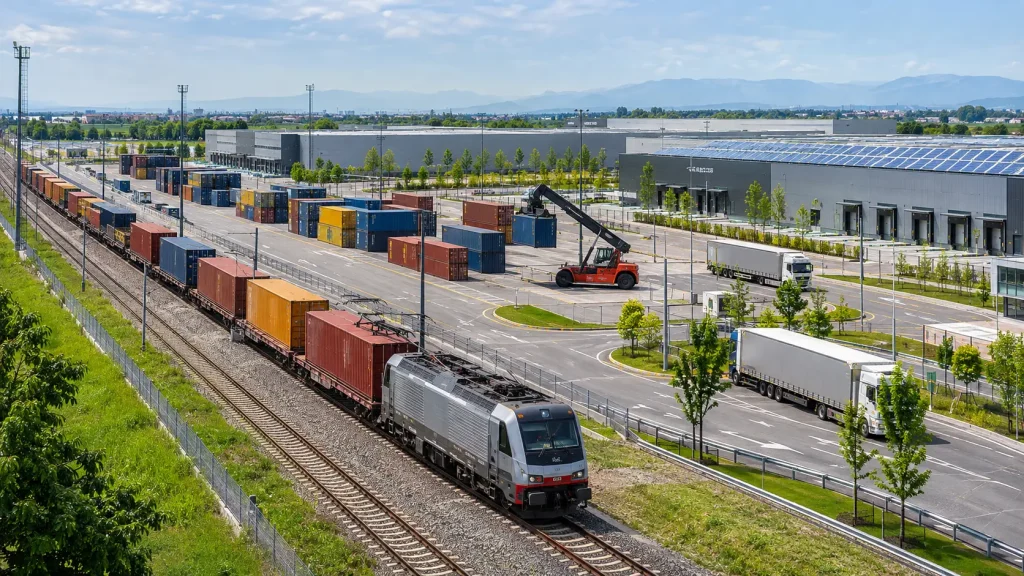
Intermodal logistics hubs are playing an increasingly important role in the evolution of Italian logistics. They are no longer simply facilities for handling and storing goods, but strategic infrastructure connecting transport networks, businesses and territories, supporting more efficient and sustainable development. In this context, Parma Interporto is establishing itself as a key reference point for […]
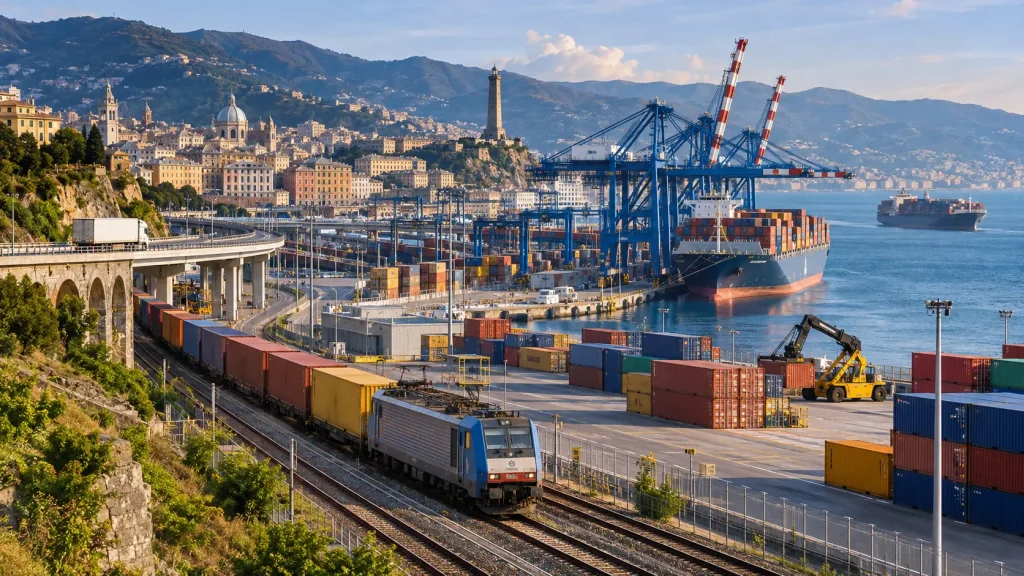
The future of logistics increasingly depends on the ability to connect ports, infrastructure, businesses, and regions. In this context, Genoa aims to strengthen its position as a key logistics hub in the Mediterranean, building on its maritime heritage and developing new opportunities for international cooperation. A recent proposal submitted to the Genoa City Council outlines […]
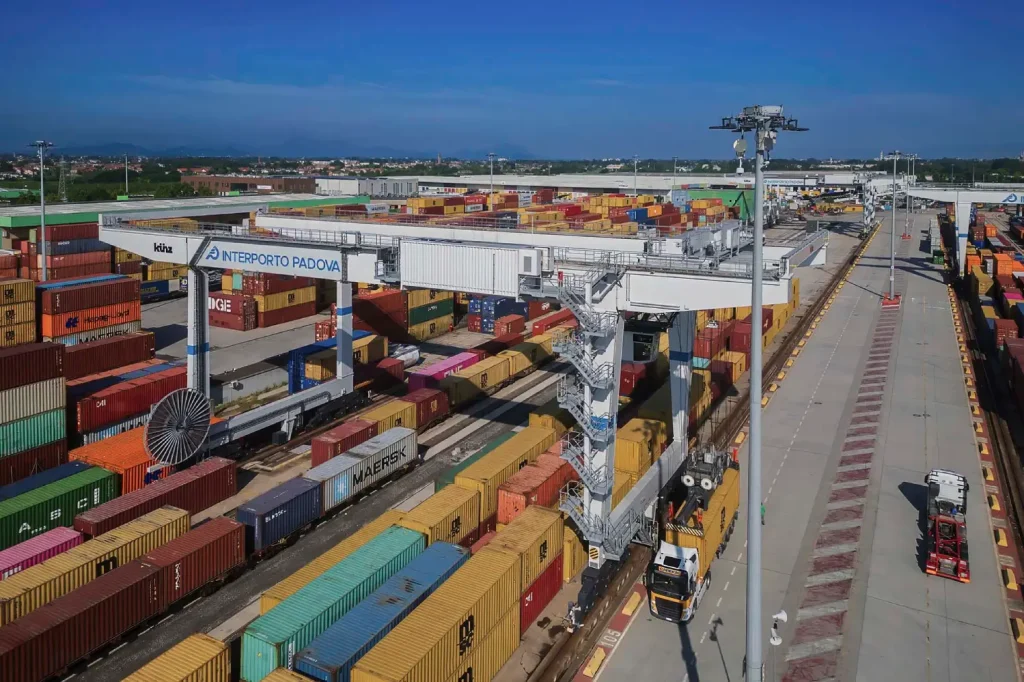
The intermodal terminal at Interporto Padova is entering a new phase of development. The creation of PSA Padova, a company established by PSA Intermodal Italy, Logtainer and Interporto Padova, represents much more than a change in terminal management: the operation brings the Veneto hub into PSA’s Node-to-Network (N2N) strategy, with the aim of strengthening its […]
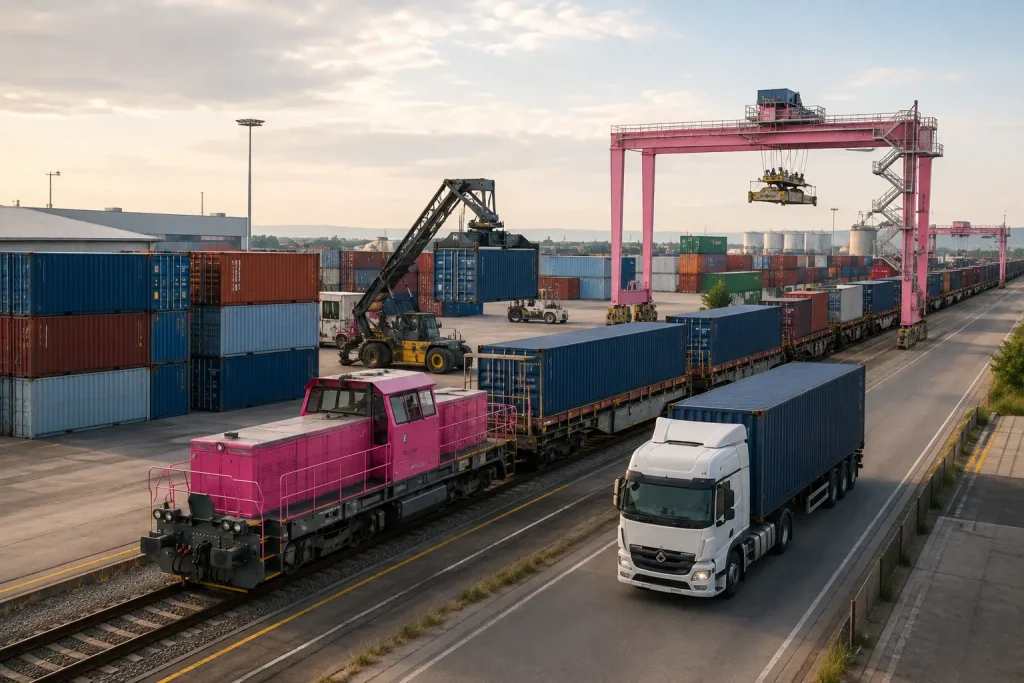
Terrestrial intermodality demonstrates its value when different modes of transport work as coordinated parts of the same logistics chain. Rail, road, inland terminals, ports and customs services need to interact effectively, reducing discontinuities and allowing goods to continue towards their final destination within a coherent organisational framework. This is the approach through which Contship has […]

The interport reform opens a new phase for Italian logistics. More than thirty years after the previous legislation, the sector now has a framework that more clearly recognises the strategic value of interports within the national and European network. It is no coincidence that one of the most significant discussions on the future of the […]
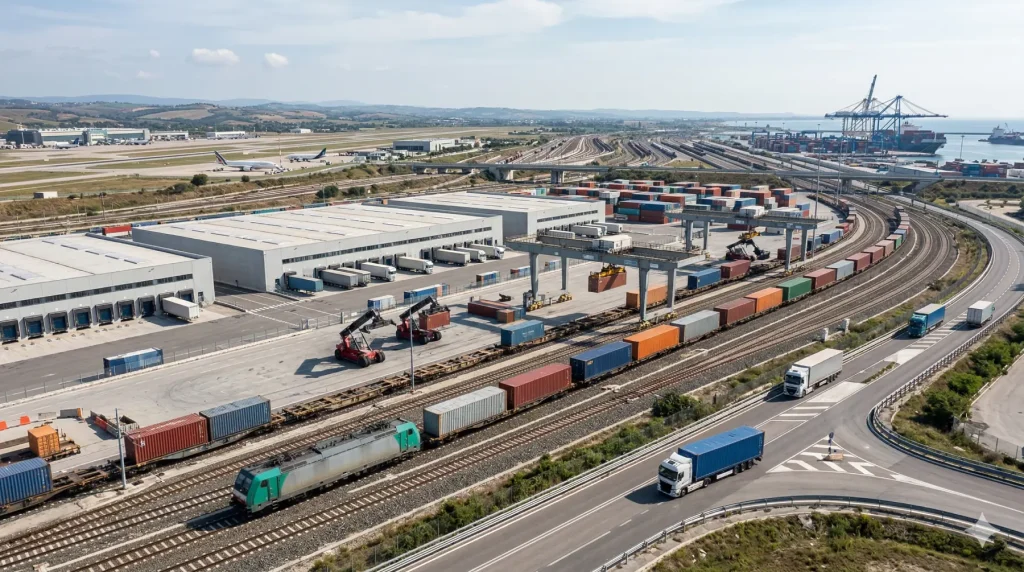
With the entry into force on 11 December 2025 of Law No. 177 of 13 November 2025, Italy’s freight village system enters a new regulatory phase. This long-awaited measure—more than twenty years in the making—has been designed to update outdated rules and finally provide a clearer framework for the planning and governance of Italian freight […]
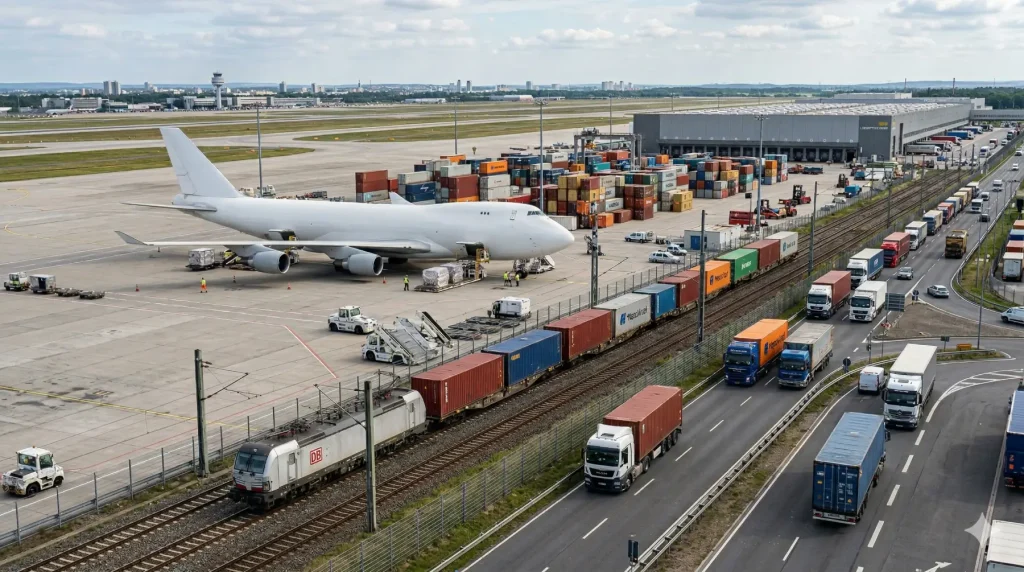
ENAV’s entry into ALIS represents an important signal for the future of integrated mobility in Italy and Europe. It is not simply a new association membership: it is concrete recognition that air transport is now a strategic component of modern intermodality, alongside rail, sea, and road transport. In a logistics system increasingly focused on sustainability, […]

In the logistics sector, ESG (Environmental, Social, Governance) has undergone a clear transformation — increasingly evident for some time now — from a regulatory constraint to a strategic factor. This is not a theoretical shift, but a tangible evolution of the market. Logistics, by its nature, is one of the most impactful sectors in environmental […]

In recent months, the topic of the EU ETS (European Union Emissions Trading System) has returned to the center of the European debate—not only for its role in reducing emissions, but also for its direct impact on energy, industry, and transport. It is a technical mechanism, yet one with very concrete consequences for the logistics […]

In the transport and logistics sector, sustainability is not a slogan. It is a structural condition: it means ensuring continuity of flows, efficiency of networks, stability for businesses and quality employment. In other words, it means “holding together” a complex system made up of infrastructure, technology, regulations and people. The 2026 Budget Law, approved in […]