


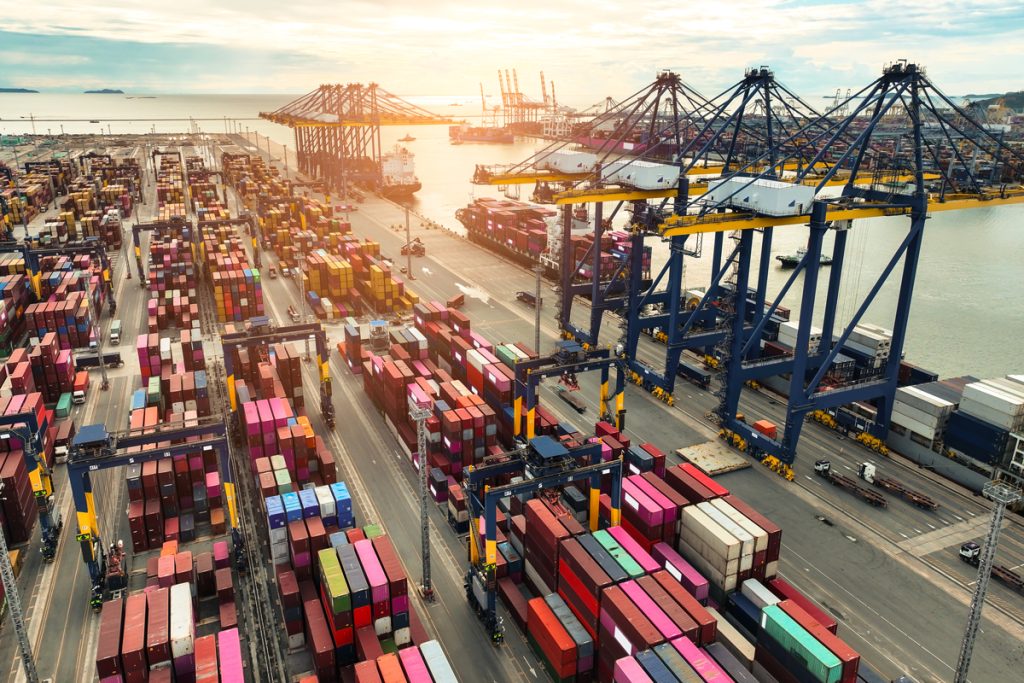
Sustainability in freight transport is no longer just an environmental issue: it’s a systemic, logistical, and economic challenge. From biofuels to green hydrogen, from new infrastructure to the strengthening of rail transport, the sector’s evolution unfolds along a trajectory driven by technologies, governance, and digital tools. In this scenario, PortaleGenio positions itself as a concrete ally for companies, operators, and decision-makers aiming to build a more efficient, accessible, and sustainable intermodal network.
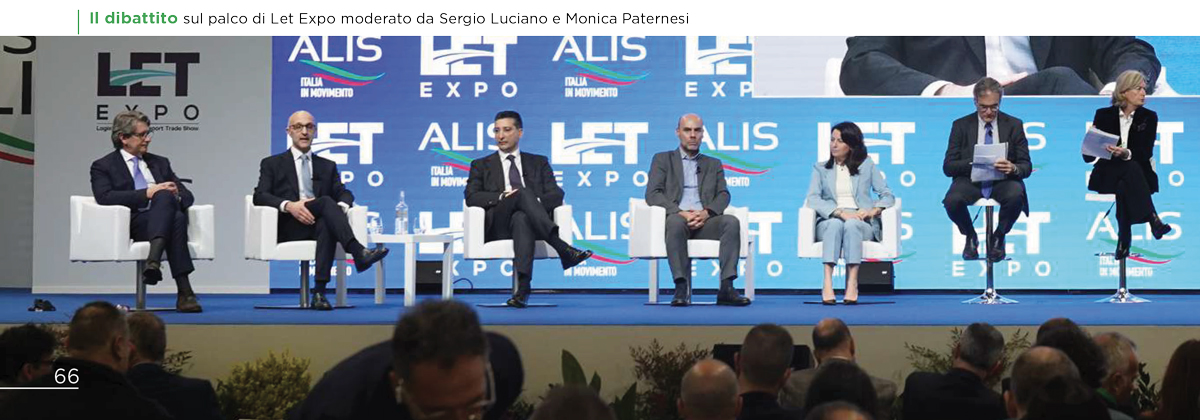
At a recent event moderated by Sergio Luciano and Monica Paternesi, key industry players highlighted the need for deep, structural change—emphasizing the importance of cooperation among transport modes and the need for smoother integration between road, rail, and waterways.
The Brenner Corridor and a Multimodal Vision
Diego Cattoni, CEO of Autostrada del Brennero S.p.A., illustrated how the Brenner Corridor is a vital node in European trade. Lombardy and Veneto are among the most productive regions in Europe, and the Brenner axis is the beating heart of this system. However, the motorway alone is no longer sufficient: rail infrastructure and new intermodal hubs must be integrated. In this context, the Brenner motorway already includes a dedicated rail line, supported by zero-emission vehicles powered by batteries and green hydrogen.
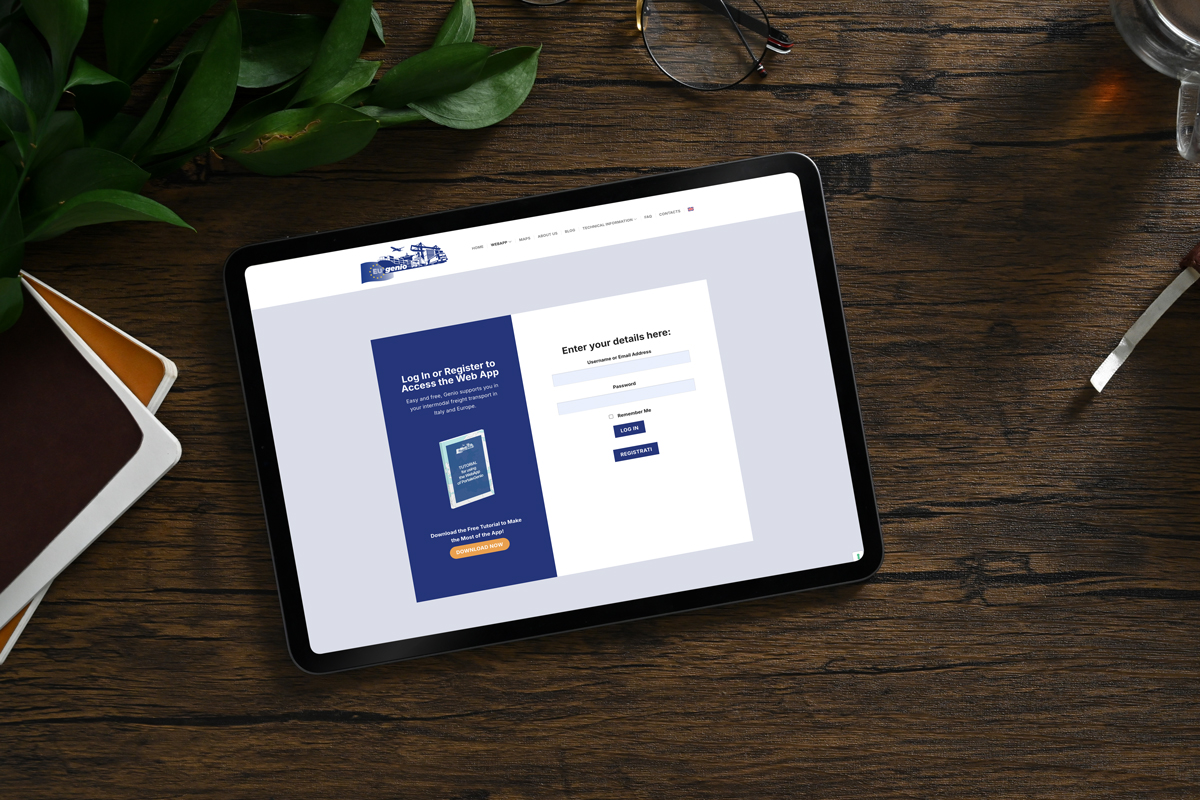
This model is also exemplified by digital tools such as PortaleGenio, which enables users to visualize all existing intermodal connections across Europe and assess alternative, more sustainable routes. With just a few clicks, users can explore the intermodal network across rail, road, and sea, discover facility characteristics, and identify active operators in the sector.
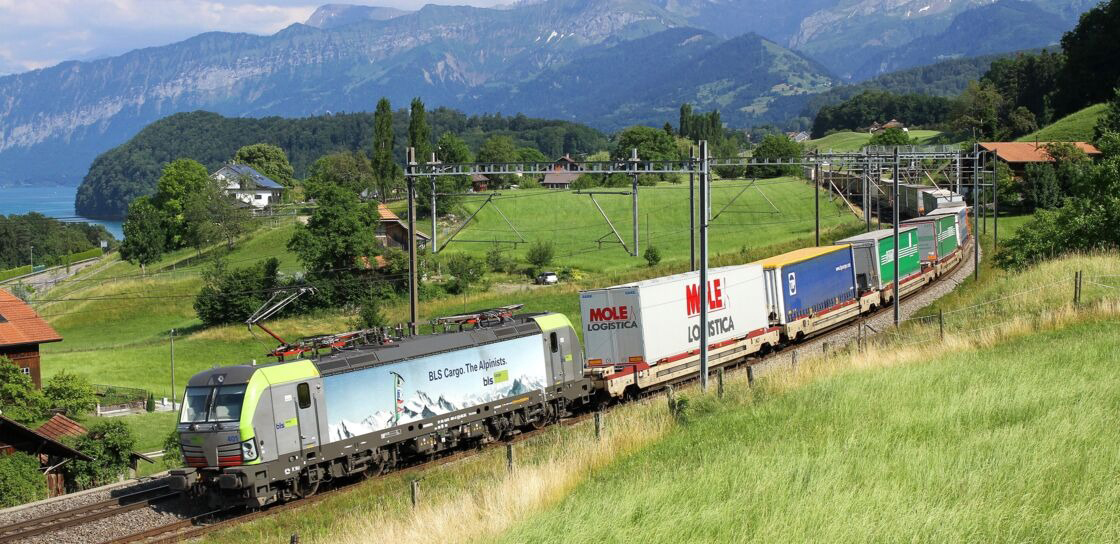
Photo by Cargobeamer
Cargobeamer and the Future of Rail Freight
Curzio Boaretto, General Manager Italy at Cargobeamer, reinforced the role of intermodality as a key to the future of freight transport: “The shift from highway to railway must happen decisively. Thanks to a proprietary technology, we can load different types of semi-trailers onto rail, cross the Alps, and build a robust and resilient European network.” While short hauls remain the domain of trucks, large volumes require innovative, sustainable, and efficient mobility.
To support strategic planning, PortaleGenio offers detailed visualizations of connections and combined transport opportunities. Users can simulate routes, compare options, and download a free practical guide to make the most of the platform.
Decarbonization and Competitiveness: Two Sides of the Same Coin
Orazio Corva from AFRY Management Consulting emphasized the importance of supporting businesses during the energy transition. Decarbonization brings challenges and costs—but also opportunities. With the right skills and digital tools, companies can make more informed decisions and optimize their energy expenses. The adoption of smart and telematic solutions is crucial to remain competitive in the coming years, especially in light of upcoming regulations in 2027.
Moving Toward Zero-Emission Freight Transport
Enrico Ferraioli from Mercedes-Benz Trucks Italia presented the company’s commitment to transitioning towards zero-emission heavy-duty vehicles, including electric and liquid hydrogen models. The challenge is twofold: investing in advanced vehicles while also ensuring a supporting infrastructure network is in place.
Governance and Port Efficiency: A Strategic Advantage
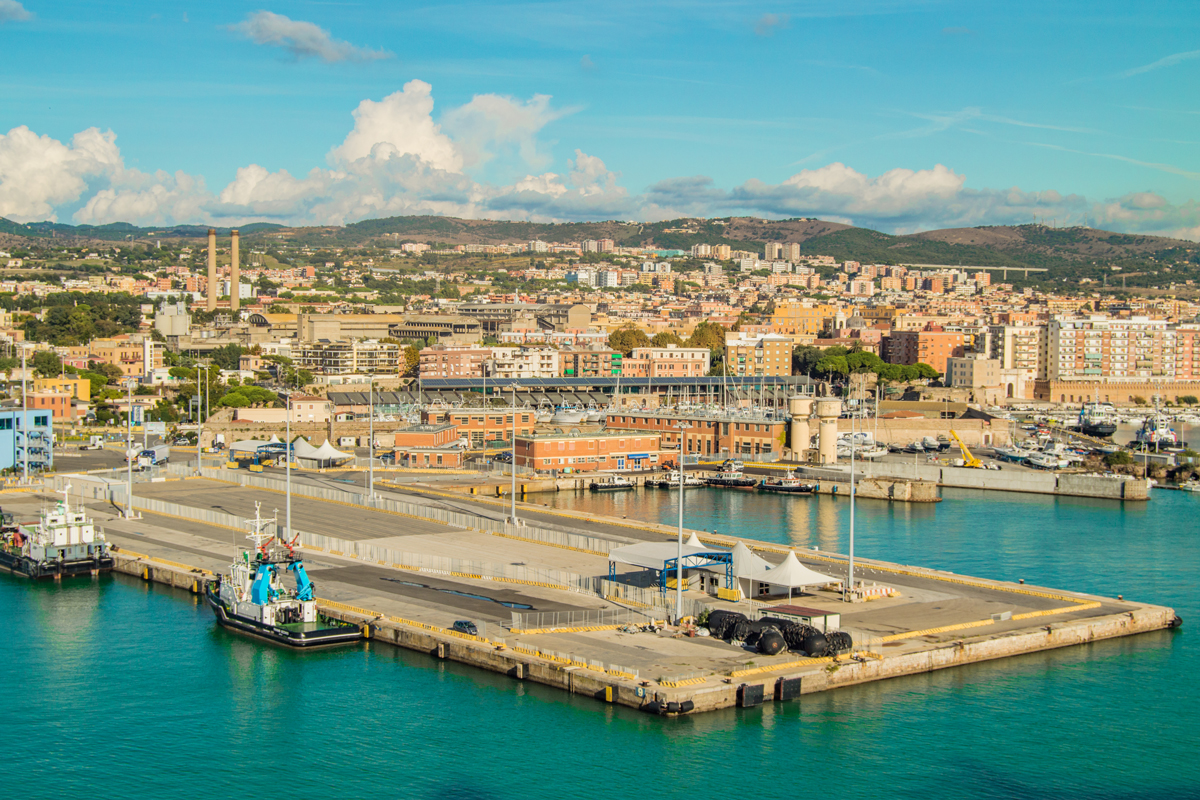
Zeno D’Agostino from Technital underscored the strategic role of Italian ports, often underrated in international rankings. He reminded the audience that during the pandemic, Italy maintained high operational efficiency in its ports, thanks in part to customs digitalization. According to D’Agostino, the real challenge isn’t just infrastructure—it’s governance: “Governance makes the difference.”
A Free and Easy-to-Use Tool
In such a complex landscape, PortaleGenio is a vital resource. It not only helps users explore Europe’s intermodal opportunities but also allows them to identify companies operating in or near intermodal facilities, compare transportation alternatives, and make better-informed decisions. All this is offered through a free and intuitive web app.
Register now and start exploring the best intermodal connections for your logistics strategy.
Questions? Write to us and we’ll help you make the most of the platform.
Sustainable logistics is no longer a distant goal—it’s a reality we must build today. And tools like PortaleGenio are essential allies to do it with awareness, efficiency, and strategic vision.