


The Mediterranean is not just a sea of cultural exchange but a true blue highway for European goods. At Let Expo, leaders from major ports in Italy, Spain, Turkey, and Greece met to discuss future strategies, touching on intermodality, sustainability, and new geopolitical balances. The panel, moderated by Antonio Errigo, Deputy Director General of ALIS, highlighted how maritime routes are now at the center of a global logistics evolution.
Turkey and Greece: Growing Routes and Sustainable Logistics
Nunzio Savarese, Line Manager of Short Sea Lines at Grimaldi Group, described efforts to strengthen maritime links between Italy, Greece, and Turkey, using next-generation zero-emission vessels in ports. This marks a historic shift that breaks away from monopolistic pasts and opens the logistics market to new players. The goal is clear: promote ship-rail intermodality and increase the efficiency of trade exchanges across the Mediterranean.
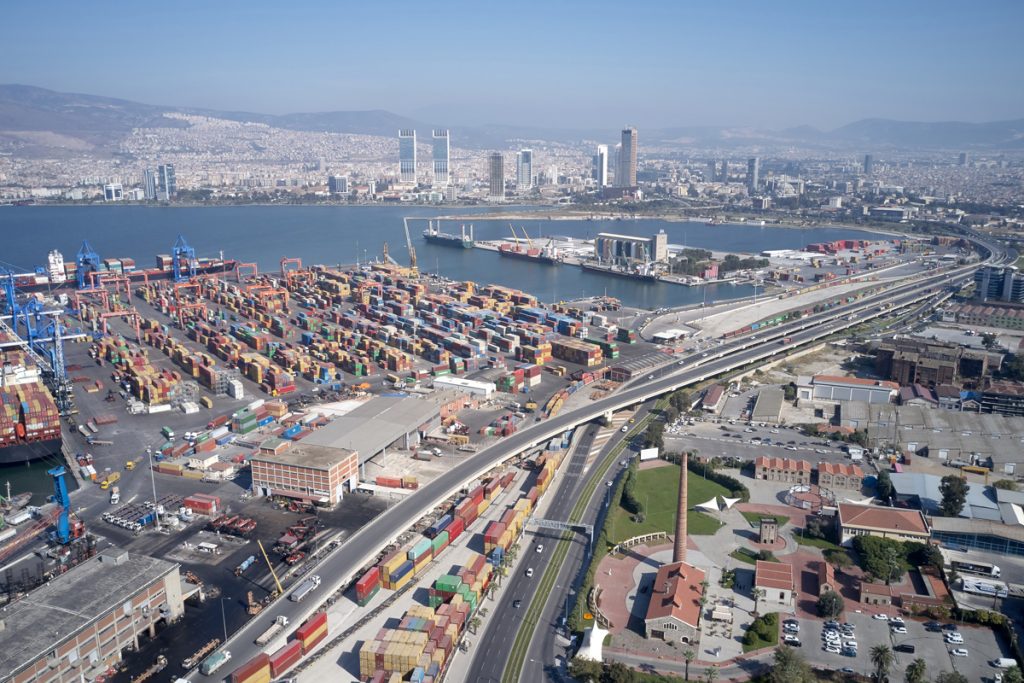
Vecih Yilmaz, CEO of Ambarli Port (Istanbul), also emphasized Turkey’s growing role in European flows, noting that the port serves a metropolis of 90 million inhabitants and offers a privileged gateway to the Black Sea and Europe. The partnership with Grimaldi has sparked rapid growth: “From the first ship docking to a dominated market in just a few months.”
Italian Ports: Macro-Regions and Synergies to Compete with Northern Europe
Alberto Torbianelli, Commissioner of the Eastern Adriatic Sea Port Authority, shared the case of Trieste, which has grown in recent years thanks to dynamic routes with Turkey and the Middle East, and integrated roll-on/roll-off and rail models. This synergy has created value in Italy by preventing traffic from being diverted abroad.
Further south, Vincenzo Leone (Southern Adriatic Sea Port Authority) discussed the role of Puglia as a port macro-region increasingly focused on cooperation between ports like Brindisi and Taranto, aided by fiscal incentives and a systemic vision that includes Basilicata and Molise.
Spain and Greece: Innovation, Intermodality, and Sustainability
From Gemport, CEO Serhan Cilengir highlighted Turkey’s record export figures and the key role of dialogue with Italy. A strategic alliance that has already borne fruit, particularly in the automotive sector.
Athanasio Porfyris, Managing Director of Igoumenitsa Port, noted that the Greek port is now a model of intermodality, with fast links to Italian ports like Brindisi, Ancona, and Venice, and routes extending to Spain—a clear example of sustainable shipping.
Minas Papadakis, CEO of Heraklion Port, presented a bold vision for the Mediterranean green corridors: port infrastructures powered by solar energy and alternative fuels (LPG, hydrogen), integrated with desalination systems and low-emission mobility. “We’re not adapting to the future—we’re creating it,” he said.
Igoumenitsa: A Virtuous Example of Intermodality on the Greek Front
Porfyris reaffirmed Igoumenitsa’s role as a natural bridge between continental Europe and Greece. Thanks to its strategic location and strong connections to Brindisi, Ancona, Trieste, and Venice, Igoumenitsa serves as an ideal hub for east-west intermodal traffic.
“We’ve done a lot for intermodality,” Porfyris explained, “cutting CO₂ emissions and becoming the first port in Greece to implement cold ironing, allowing ships to shut off engines during stops and plug into the power grid.” An expansion project is also underway to further integrate maritime and land transport. Fast routes, such as to Civitavecchia, strengthen connectivity with the rest of Europe with a focus on sustainability.
Heraklion and the Vision of Mediterranean Green Corridors
From Heraklion Port, Minas Papadakis outlined a visionary plan:
“The future of maritime transport is green, integrated, and proactive.”
Already part of the green corridors, the port is a key player in the ecological transition of the southeastern Mediterranean.
His plan involves four key areas:
- Electrical connection of all docks
- Renewable energy production via solar panels and turbines along piers
- Use of alternative fuels such as LPG, methane, and hydrogen
- Development of a desalination plant for potable water
This evolving eco-port ecosystem is designed to attract investment and create a resilient, sustainable logistics hub, aligned with platforms like PortaleGenio, which supports intermodal vision through updated data on routes, infrastructure, and operators.

Venice: A Small Port for Ships, a Big Port for Vision
Antonio Revedin, Strategic Planning Director of the Northern Adriatic Port Authority, presented Venice’s challenges and potential.
“We can’t host big ships due to physical limits, but we can connect markets smartly.”
Thanks to its strategic position, Venice connects two key European corridors: Tyrrhenian-Brenner and Adriatic-Baltic. The upcoming opening of the Koralm and Semmering tunnels will further boost links to Austria and Central Europe.
In October, a new 27-hectare private terminal dedicated to automotive and combined rail-road transport is set to launch. The goal? Double rail traffic in three years, aided by tools like PortaleGenio, which helps businesses identify new intermodal flows with just a few clicks.
Valencia and Barcelona: Digitalization, Safety, and Emissions Reduction
From Spain, Teresa Garcia-Ibarra, Ro-Ro Traffic Manager at the Valencia Port Authority, shared a successful public-private partnership for rail intermodality:
A €20 million investment created a real rail motorway with 40 trailers and 20 wagons. The result?
16,000 tons of CO₂ saved per year, along with gains in efficiency, safety, and innovation.
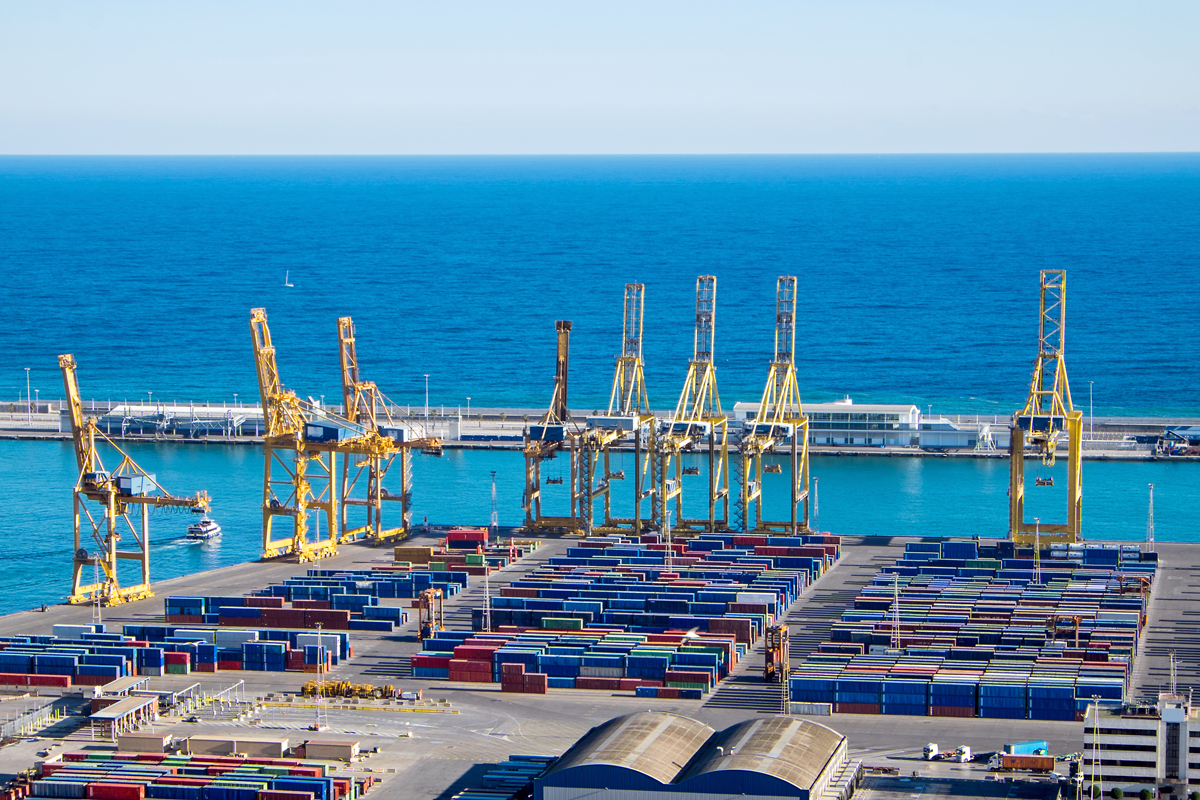
Lluís París, Head of RoRo and Automotive at Barcelona Port, closed the panel by presenting sustainability projects:
“We will invest €140 million to connect ships to onshore electricity.”
Barcelona is transforming into a true electric distribution company, integrating smart infrastructure and full digitalization.
The goal? Faster decisions and better work quality.
Platforms like PortaleGenio, which offer geo-visualized port data, are increasingly vital for digitally linking logistics nodes and enabling faster, more informed decisions.
The Role of PortaleGenio: Simplifying Interconnection Among Ports, Freight Villages, and Terminals
In a context where logistics cooperation between countries and ports is increasingly essential, digital tools like PortaleGenio become strategic levers.
The free WebApp allows operators, companies, and institutions to:
- Visualize on a map the main European intermodal infrastructures (ports, inland terminals, rail terminals)
- Access technical details of each logistics node
- Browse by geography or logistics theme (e.g. traffic types, operators, active connections)
- Evaluate alternative routes and more sustainable commercial paths
- Use data to optimize logistics plans, encouraging modal shifts to rail and sea
Download the WebApp at: www.portalegenio.it/chek-user-registration-webapp
For details and support: info@portalegenio.it