


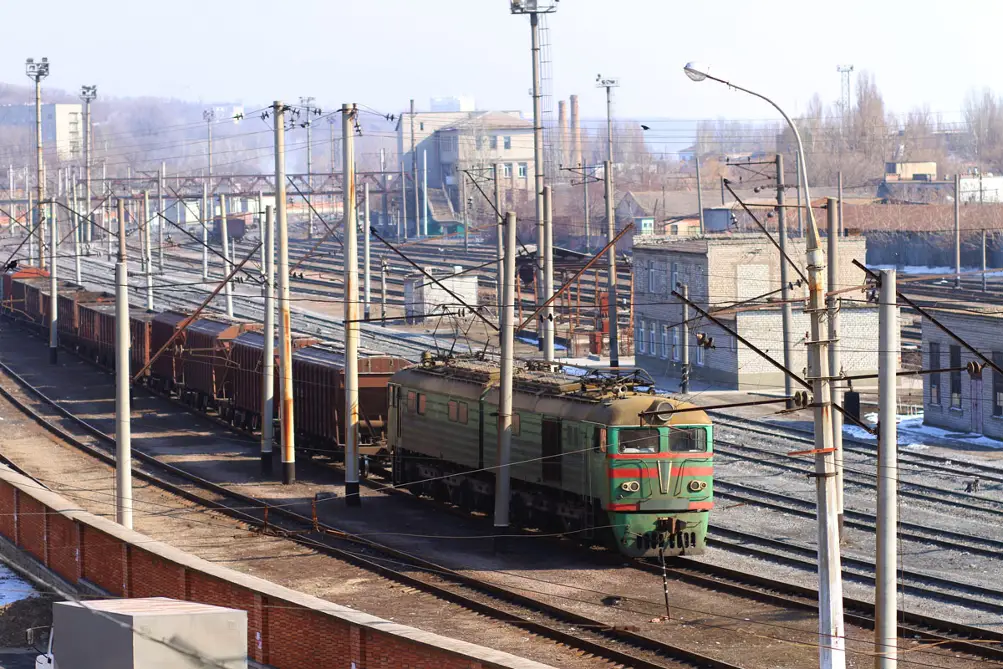
As Europe reaffirms railways as central to its vision for sustainable mobility, it is increasingly evident that the strategic axis is shifting eastward. Romania, Poland, the Baltic States and Moldova are becoming the hub of a new phase of infrastructure modernization, fueled by unprecedented investments and backed by European funds dedicated to the development of the TEN-T corridors.
Eastern Europe Takes the Lead in Railway Development
The Connecting Europe Facility (CEF) program has allocated €2.2 billion in grants for railway infrastructure enhancement. A significant share of this funding is focused precisely on Eastern Europe. One key example is the Rail Baltica project, with nearly €300 million in financing, linking the Baltic Republics to Poland and marking a concrete step towards integrating rail networks with European standards.
Alongside this, the Czech Republic, Poland and Romania have secured substantial funds for both domestic and cross-border modernization projects. One of the most notable is the link between Poland and Ukraine—vital not only for trade but also for geopolitical considerations.
Greece is also joining this trajectory, with a €277 million initiative to upgrade the Alexandroupoli–Pythion route. This project is strategically important for intermodal traffic flows between Asia and Europe.
Romania: A Network in Full Transformation
Romania stands out for the scale of its ongoing projects. Lines between Oradea and Bucharest and the corridor leading to the port of Constanta are undergoing major upgrades, including viaducts, tunnels and straightened tracks. The goals are ambitious: compliance with EU standards, increased freight train speeds up to 120 km/h, electrification and digital integration.
In parallel, efforts are being made to strengthen the connection with Moldova. The railway bridge over the Prut River—closed since 1992—is being reopened thanks to a memorandum signed by both countries. Once completed, it will foster container interchange between Moldova and Europe, accelerating the area’s transition towards Western integration.
PortaleGenio: A Strategic Compass in the New Railway Landscape
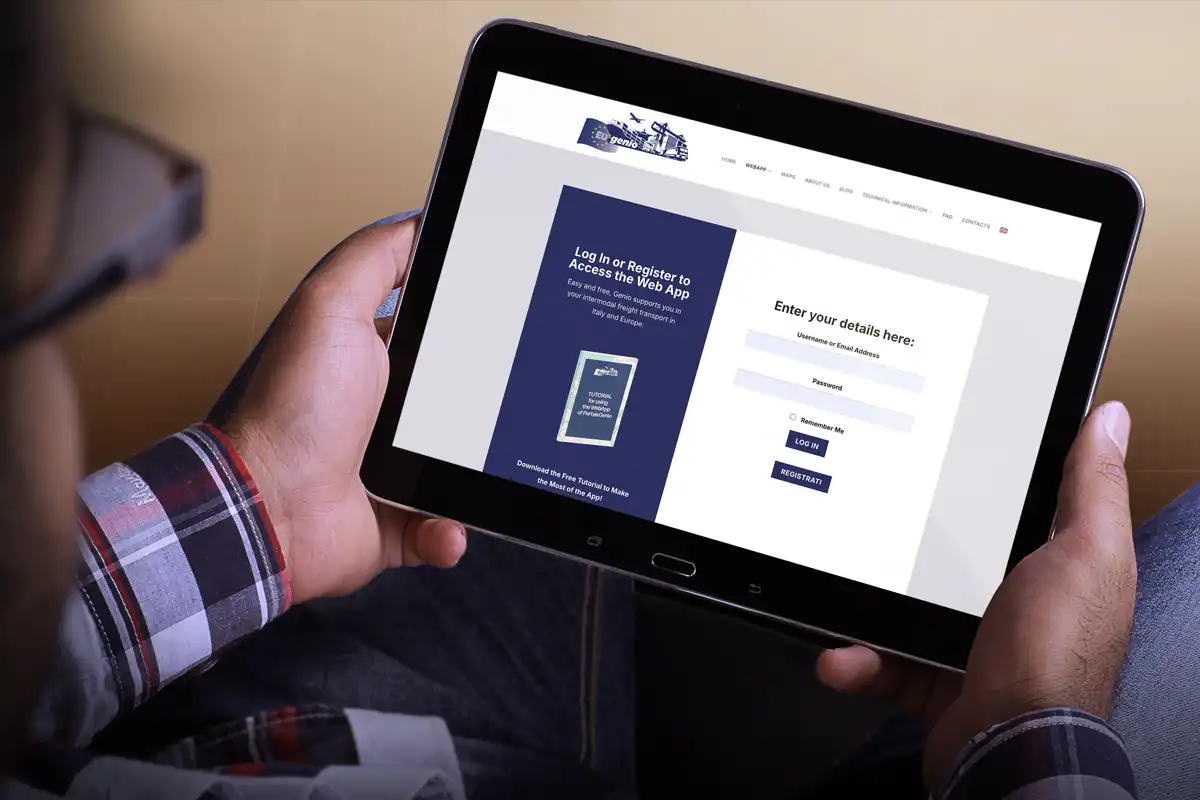
In the fast-evolving world of rail mobility, PortaleGenio proves to be an essential tool for companies, logistics professionals and intermodal operators. This free, intuitive WebApp enables users to:
- Explore the entire European railway network, with up-to-date information on lines, terminals and infrastructure;
- Analyze routes involved in TEN-T and CEF projects, identifying new paths or alternatives to existing ones;
- Visualize in just a few clicks key logistics hubs such as freight villages, connected ports, stations and logistics areas;
- Organize strategic planning in light of the developments in Romania, Poland, Moldova, Slovenia, Greece and other Eastern countries.
Explore the WebApp now: https://www.portalegenio.it/en/webapp-check-eng/
Need support? Contact us at: info@portalegenio.it
The expansion and modernization of railways in Eastern Europe represent both a challenge and a massive opportunity for the entire European logistics chain. With its ability to provide a clear and comprehensive view of the intermodal system, PortaleGenio helps turn these data and projects into real actions, sustainable routes and informed strategic decisions.
In a Europe increasingly moving on rails, having an up-to-date map isn’t just useful — it’s indispensable.