


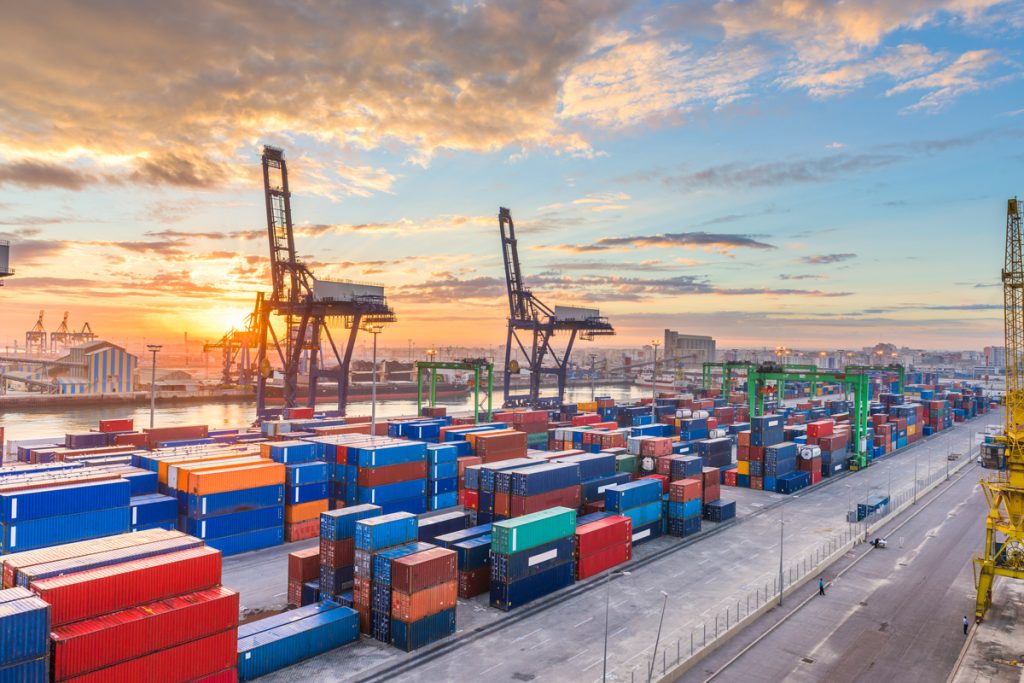
The energy transition has become a necessary step—not only for environmental reasons but also for economic competitiveness. In this context, logistics is confirmed as one of the key nodes for promoting sustainable development models and accelerating the evolution of industrial supply chains.
During Let Expo this past March, the discussion among experts, companies, and institutions brought a crucial issue to the forefront: how to make transport and the entire logistics system more sustainable. It was a practical conversation, enriched by real-life insights, innovations, and operational strategies.
Different Technologies for Different Needs
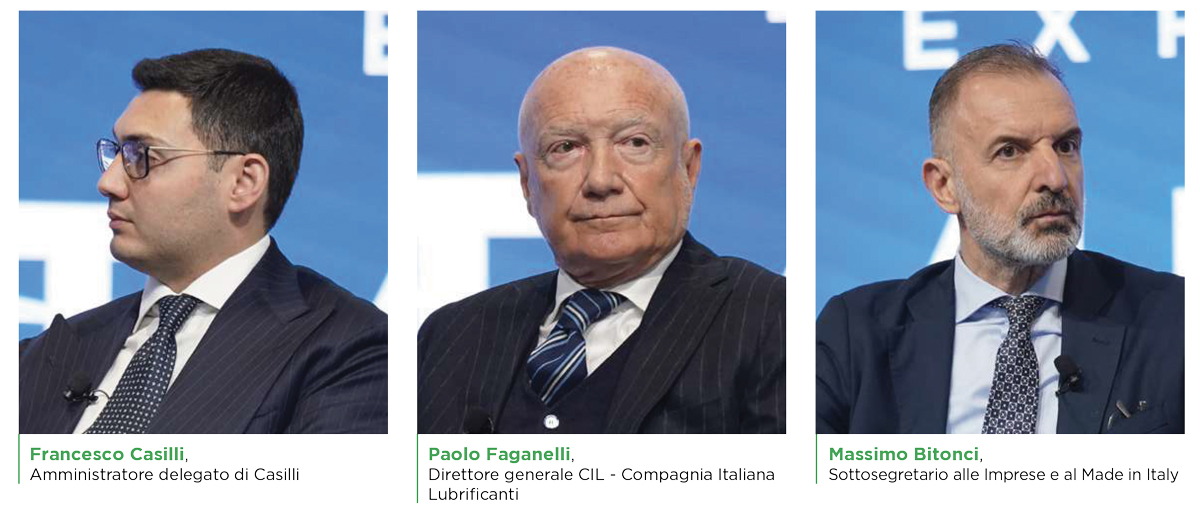
Francesco Casilli, CEO of Casilli Group, emphasized that there is no single technology suitable for every situation. Choosing between biofuels, electric vehicles, or hydrogen-powered trucks depends on multiple factors: performance, infrastructure, driver training. The group presented a fully sustainable refrigerated vehicle, capable of storing energy independently.
His vision encourages realistic planning, supported by data and tools that help make effective decisions. In this context, digital platforms that aggregate data on European intermodality—such as PortaleGenio—become a valuable support for those evaluating new routes and alternative logistics solutions.

Energy Efficiency and Cost Reduction
Paolo Faganelli (CIL – Compagnia Italiana Lubrificanti) revealed a surprising figure: in many cases, fuel costs exceed labor costs. Biofuels represent an interesting alternative but are not without complexity. Companies need field testing to concretely assess the impact on fuel consumption and maintenance.
Incentives and New Opportunities with “Transizione 5.0”
Undersecretary Massimo Bitonci illustrated the measures outlined in the “Transizione 5.0” plan, which provides funds to support digitalization and energy efficiency, including in the logistics sector. A key tool, though still little known—so much so that Bitonci himself stressed the urgency of spreading technical and tax knowledge among businesses.
Towards Digital, Sustainable, and Integrated Logistics
According to Enrique Enrich (Italscania), the logistics of the future will be increasingly interconnected: trucks, trains, and ships must communicate with each other, integrating flows in real time. This goal requires advanced digital infrastructure and tools capable of making logistics information accessible and easy to interpret.
One example? PortaleGenio, a free WebApp that provides a detailed overview of the European intermodal network. Widely used by logistics professionals, it allows users to explore rail and maritime connections, view the technical specifications of ports and freight terminals, and locate active companies and services at various facilities.
More than just a showcase, it’s a practical decision-making tool to reduce emissions and optimize routes. It’s no coincidence that many professionals are already integrating platforms like PortaleGenio into their daily logistics planning.
Discover the WebApp at: www.portalegenio.it
Or contact us at: info@portalegenio.it
Regulations, Tenders, and the Issue of Accountability
Marco Agnoli (Bernoni Grant Thornton) raised an alarm about the need to ensure transparency and integrity in procurement. Oversight, he said, must not stop at contract signing but continue throughout the service period.
The Revival of Rail Transport
Silvio Damagini (Mercitalia Rail) presented an investment plan of over €2 billion to make rail transport more competitive, digital, and integrated. A major step forward to support modern logistics focused on sustainability and systemic thinking.
A Green and Connected Ecosystem
Change is underway. But there can be no true energy transition without a smart, collaborative, and technologically advanced logistics network. Tools like PortaleGenio, with their ability to facilitate access to intermodal information, can truly make a difference.
Because logistics can drive change, but it needs simple, effective tools to tackle complex challenges.