


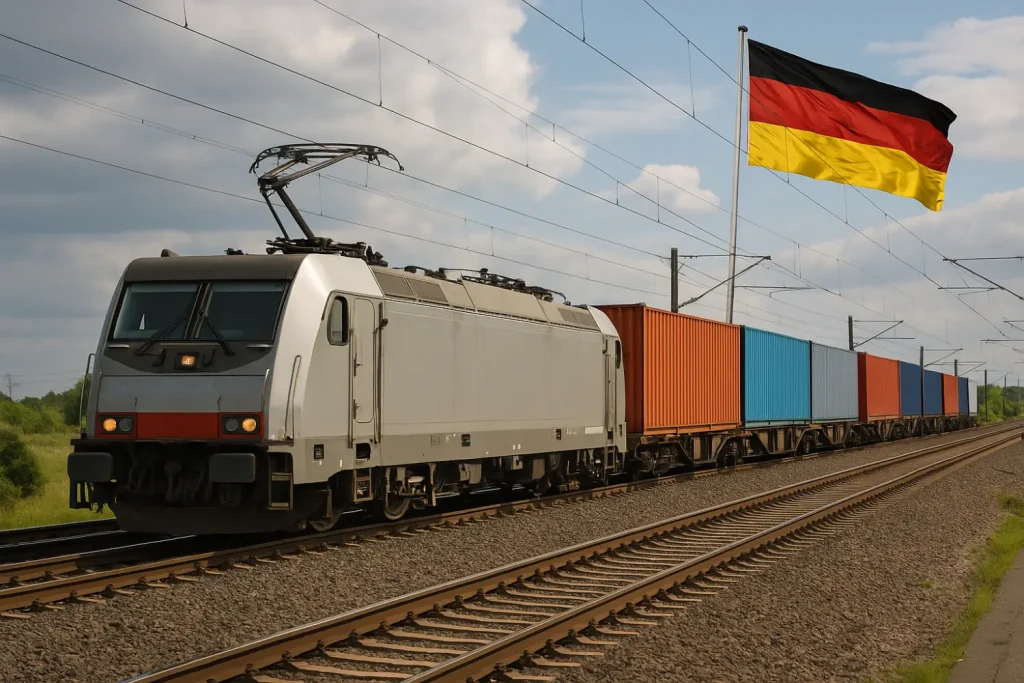
The System is Cracking: Cancelled Trains, Cargo Back on the Roads
Combined transport – long hailed as a symbol of the shift towards sustainable logistics – is facing a serious setback in Germany. The alarm has been raised by leading industry associations (ERFA, UIRR, Fermerci) and international operators such as Kombiverkehr, Hupac, and TX Logistik. They sent an open letter to Transport Minister Patrick Schnieder and Deutsche Bahn CEO Evelyn Palla with a clear message: “Save combined transport.”
Critical issues are mounting: delays, cancellations, inefficient detours, and a rail network whose quality is reportedly deteriorating. The final blow could come from the large-scale renovation works planned in the coming years along key rail corridors – projects scheduled without viable alternatives. Added to this is the continuous rise in track access charges, with a 19% increase in 2023 and projections of up to 35% by 2026.
Back to the Roads: A Threat to Climate Goals and Efficiency
The result? A worrying increase in road traffic, especially along corridors through Austria and Switzerland. Estimates suggest an additional 500,000 truck shipments in the coming years. This reversal undermines years of infrastructure investment in rail – from the Gotthard Base Tunnel to the Brenner Base Tunnel – and puts Europe’s climate objectives at risk.
The modal shift envisaged by the European Green Deal is faltering, as is the entire sustainable logistics chain. Intermodality, a cornerstone of the ecological transition, is being questioned at the heart of Europe.
What the Sector is Demanding: Urgent and Practical Measures
The European rail sector is calling for decisive action, centered around six key measures:
- A halt to the 2026 increase in access charges
- A guarantee of at least 90% rail capacity during corridor works
- Adaptation of alternative routes to be operationally equivalent
- Track allocation aligned with market needs
- Compensation for operators impacted by downgraded sections
- Suspension of cancellation penalties when caused by poor network quality
These are not just pleas for help, but a structured strategy to preserve the efficiency, competitiveness, and sustainability of rail freight transport.
The Need for an Intermodal Vision
In this context, tools like PortaleGenio, which provide detailed and dynamic mapping of the European intermodal network, are essential. They offer clear visibility of alternative logistics routes, enabling fast, informed decisions in times of crisis, construction works, or temporary disruptions.
The crisis in Germany is a warning for all: without a resilient, reliable, and well-managed rail network, intermodality risks collapse. Now is the time to invest not only in infrastructure, but also in governance, planning, and digital tools that help companies and operators move efficiently in a changing Europe.
PortaleGenio will continue to monitor the situation, providing timely updates and in-depth content for all those who believe in sustainable logistics and the future of combined transport.