


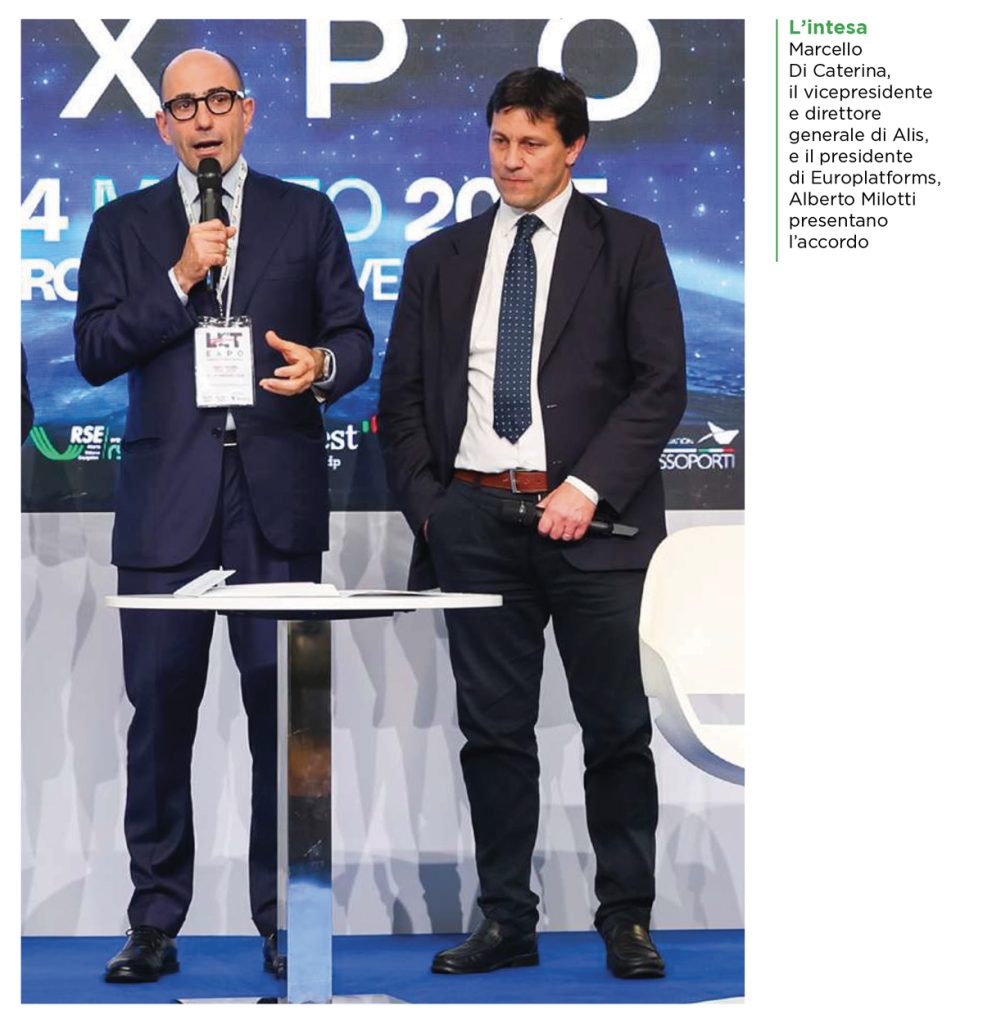
For those working in the logistics sector, it is well known that, as early as March 2025 (during LetExpo in Verona), a strategically significant agreement was signed: on that occasion, Europlatforms and ALIS (Association for Sustainable Intermodal Logistics) formalized a Memorandum of Understanding aimed at strengthening cooperation between the two organizations and accelerating the transition toward a more efficient, sustainable, and integrated European logistics system. Let’s take a closer look at it.
Signed by Europlatforms President Alberto Milotti and ALIS Vice President and General Director Marcello Di Caterina, the agreement lays the groundwork for joint action on critical issues: from promoting intermodality and digital innovation to supporting the ecological transition of the sector and enhancing rail and maritime transport as viable alternatives to road transport.
A Shared Vision for a New Logistics Ecosystem
This partnership fits within the broader European framework of the Green Deal and the Fit for 55 package, both of which clearly identify the need to reduce transport-related emissions and redesign operational models. Combined transport, infrastructure integration, digitalization, and transnational cooperation are the pillars of this new agenda, and the ALIS–Europlatforms memorandum places them at the core of its strategy.
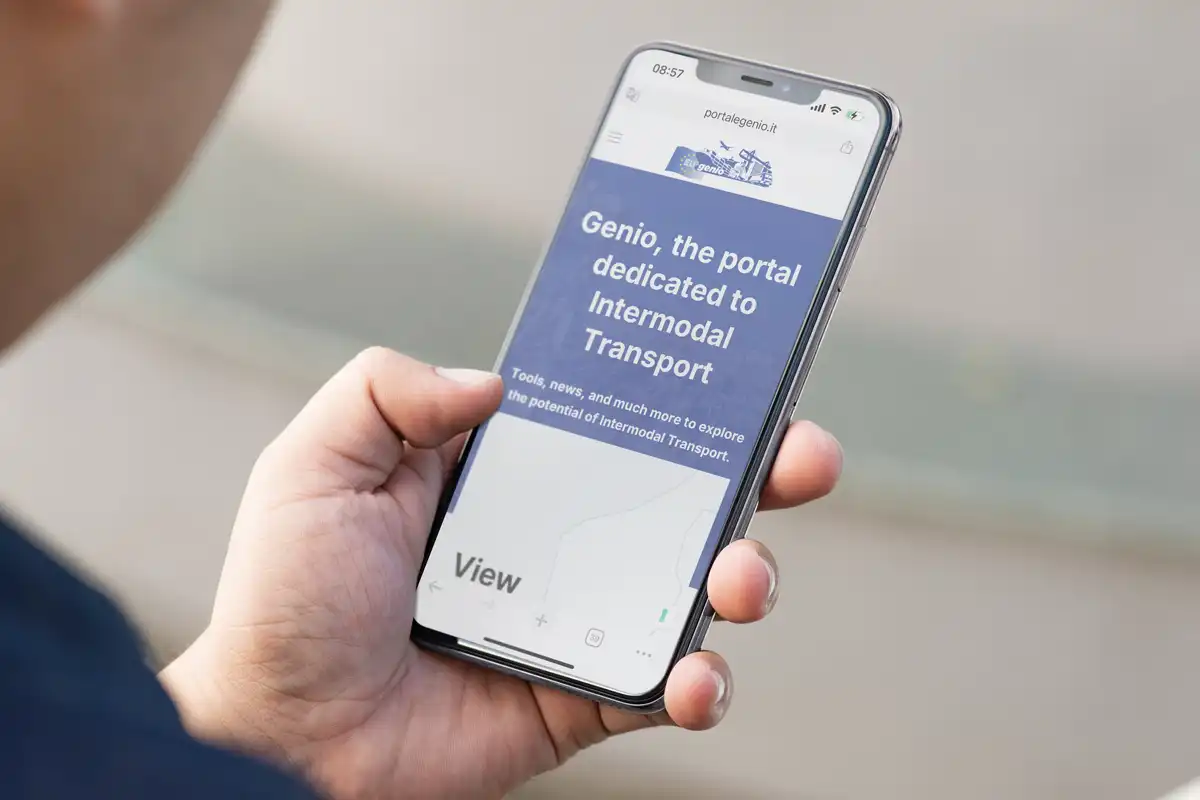
Supporting this vision are digital tools that facilitate access to and the use of intermodal transport by companies, operators, and institutions. One of the most promising tools in this space is PortaleGenio, a WebApp designed to represent the European intermodal ecosystem in a clear, accessible, and dynamic way.
PortaleGenio: An Operational Map of Intermodality
Unlike purely technical or institutional tools, PortaleGenio is not limited to industry insiders. It was created to engage even those companies that have yet to explore the opportunities of intermodal logistics. With its intuitive interface, it allows users to quickly view major rail connections, Ro-Ro maritime lines, active freight villages, and the logistic functions available at each facility.
What truly sets PortaleGenio apart, however, is its decision-making support function. Companies that still rely exclusively on road transport can simulate alternative routes, locate logistics operators based in or near specific hubs, and compare the various route options. In a sector where evolution also depends on a shift in mindset, PortaleGenio actively fosters awareness and drives the transition to more sustainable solutions.
Download the official user guide >>
Register now and try all the features >>
Beyond the Agreement: Lobbying, Innovation and Communication
The memorandum between ALIS and Europlatforms goes beyond a symbolic agreement. A range of practical actions are already planned: lobbying activities targeting EU institutions, development of joint digital projects, communication campaigns to highlight the value of integrated logistics, and analysis of best practices from key European hubs.
A particularly noteworthy initiative is the creation of a Joint Working Group responsible for monitoring the progress of the agreement, proposing potential updates, and ensuring true operational follow-through. This demonstrates the organizations’ commitment to tangible results and strategic coordination.
Toward a Connected, Intermodal Transport Network
As Europlatforms President Alberto Milotti emphasized, “This agreement represents a strategic opportunity to strengthen cooperation among European logistics platforms and promote sustainable transport models.” ALIS Vice President Marcello Di Caterina added, “We are proud to consolidate our partnership with Europlatforms and to face the challenges of the sector through a shared and innovative approach.”
In this evolving landscape, tools like PortaleGenio emerge as real enablers of the European vision: not only because they make intermodal logistics easier to understand, but also because they help companies translate strategy into action—with practical, sustainable, and forward-looking decisions that align with EU policies. One small step for each transport company, one paradigm shift for the future of European logistics.