


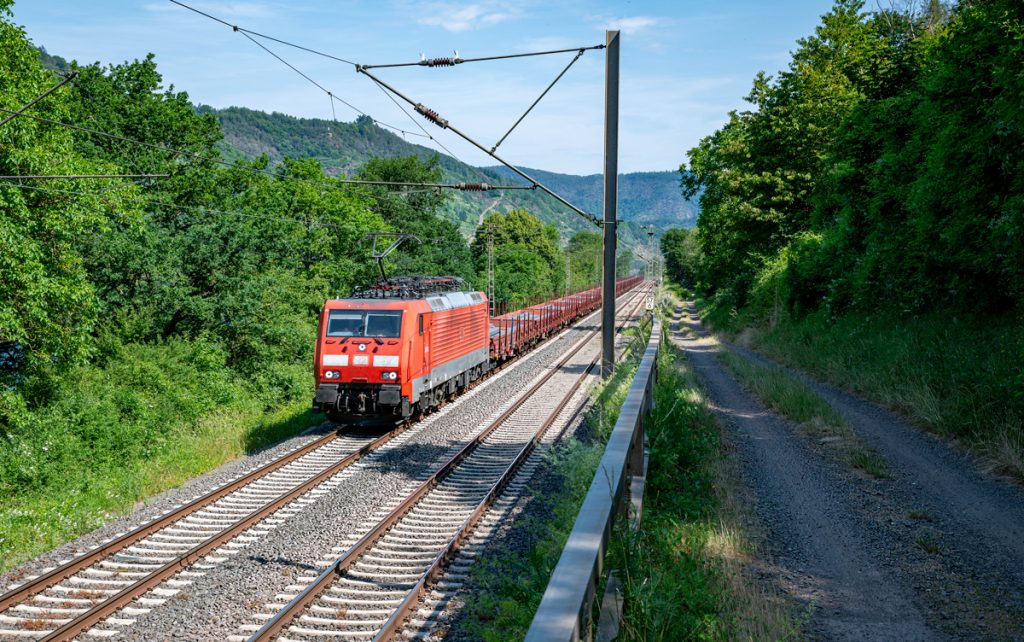
In the vision of a more interconnected and sustainable Europe, the Scandinavian-Mediterranean Corridor stands out as one of the main infrastructure backbones of the TEN-T network—Europe’s strategic plan for enhancing efficient transport across the continent. Stretching from the Russian-Norwegian border to Sicily, this corridor crosses some of Europe’s most economically significant countries: Norway, Sweden, Denmark, Germany, Austria, and Italy.
The route touches highly industrialized and logistics-driven areas, making it a cornerstone of European transport. But its importance goes beyond the movement of goods: it promotes territorial cohesion, green transition, and business competitiveness through a multimodal infrastructure that integrates high-capacity railways, strategic ports, intermodal hubs, and Ro-Ro ferry connections.
Italy’s Strategic Role
Italy plays a key role in the corridor. The route enters the country through the Brenner Pass, where the Brenner Base Tunnel—one of Europe’s most ambitious railway projects—is under construction. It continues through major Italian cities such as Verona, Bologna, Florence, Rome, and Naples, reaching as far south as Palermo. The corridor also includes essential ports like Livorno, La Spezia, Salerno, Gioia Tauro, and Augusta.
This north-south axis does more than connect the country logistically—it acts as a bridge between continental Europe and the Mediterranean basin. The result: expanded import/export potential, improved access for businesses, and stronger commercial flows along Euro-Mediterranean routes.
Intermodality, Sustainability, and Growth
At the heart of this project lies a clear commitment to sustainable transport models, in which rail and sea take on a central role. This helps reduce road congestion and significantly lowers CO₂ emissions. In this context, intermodal transport becomes the key to a modern, efficient, and environmentally friendly logistics system tailored to the Europe of tomorrow.
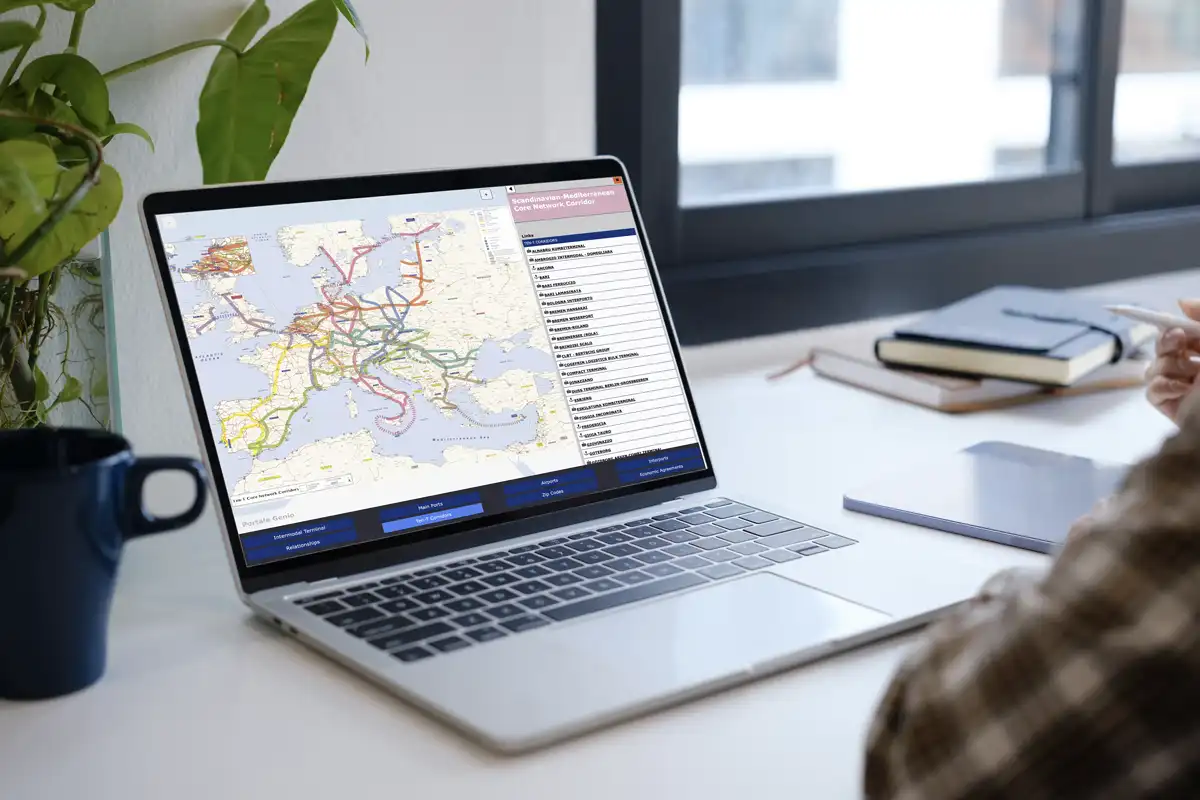
PortaleGenio: Your Digital Companion for Navigating the Corridor
Navigating the opportunities of the Scandinavian-Mediterranean Corridor calls for practical, up-to-date tools. This is where the PortaleGenio WebApp comes in—a free and intuitive platform that lets you explore the full range of rail and maritime connections across the TEN-T corridors. The WebApp contains technical data on over 500 logistics facilities, listed alphabetically and mapped along each corridor.
With just a few clicks, you can simulate an intermodal route, check available services, identify operators active in specific facilities, and even access customs-related information on preferential origin, thanks to integrated data from the EU’s free trade agreements.
Download the official user guide
Register now and try all the features
From Vision to Concrete Integration
Infrastructure alone is not enough: transforming a European corridor into a powerful development driver requires know-how, strategy, and the right tools. With digital solutions like PortaleGenio, companies, institutions, and logistics professionals can easily navigate the intermodal ecosystem, optimizing their operations for better efficiency and competitiveness.